Address
304 North Cardinal St.
Dorchester Center, MA 02124
Work Hours
Monday to Friday: 7AM - 7PM
Weekend: 10AM - 5PM

Address
304 North Cardinal St.
Dorchester Center, MA 02124
Work Hours
Monday to Friday: 7AM - 7PM
Weekend: 10AM - 5PM


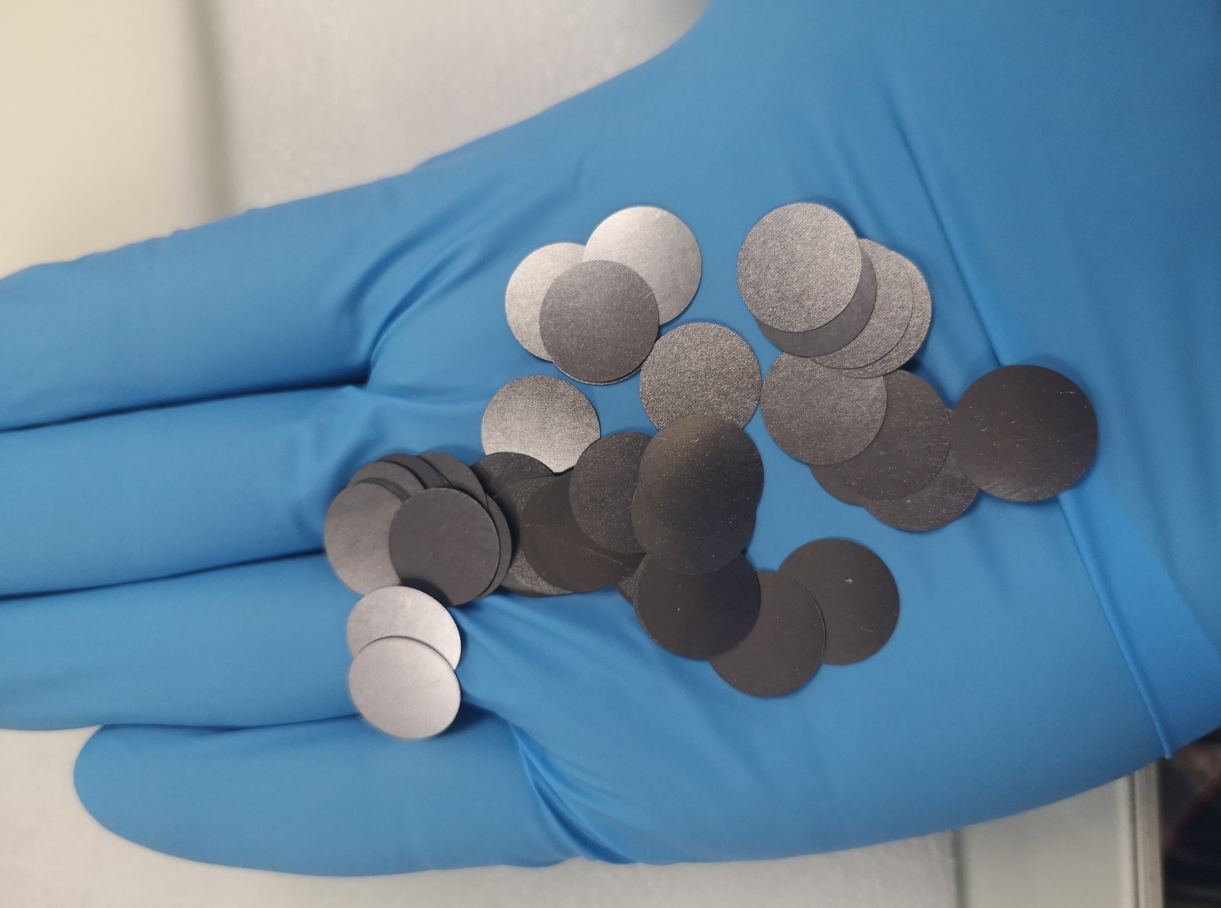
Beryllium is a critical enabling material that continues to push medical imaging, diagnostics, and laser medicine to the forefront of modern technology. As the second-lightest metal after lithium, beryllium is widely used in the form of beryllium metal and beryllium–copper alloys, playing an essential role in aerospace, medical technology, and other high-end industries. It is recognized globally as a strategic mineral resource vital to emerging and advanced technologies.
At present, only a few countries—including the United States, China, and Russia—possess a complete industrial beryllium supply chain, covering ore mining, extraction metallurgy, and the fabrication of beryllium metal and alloys at industrial scale.
Beryllium has a Clarke value of approximately 6 ppm, classifying it as a lithophile element. It is relatively enriched in granites and nepheline syenites and tends to concentrate in residual magmas during magmatic differentiation. As a result, beryllium commonly solidifies near the uppermost part of the lithosphere, with decreasing abundance at greater crustal depths.
More than 60 beryllium-bearing minerals have been identified worldwide, of which over 40 occur with notable frequency. The principal industrial beryllium minerals include beryl, phenakite, bertrandite, chrysoberyl, and helvite.
Beryl, with the chemical composition Be₃Al₂[Si₆O₁₈], typically contains around 13 wt.% BeO. It commonly forms prismatic crystals and may appear green, yellow, light blue, or red in color. Beryl is characterized by a white streak, vitreous to resinous luster, brittle behavior, a hardness of 7.5–8, and a specific gravity ranging from 2.65 to 2.91.
Beryllium metal combines excellent high-temperature stability with exceptional transparency to X-rays. For decades, beryllium foils and discs have been used as window materials in medical and scientific X-ray equipment. Acting as the exit window, beryllium allows focused X-rays to pass through with minimal attenuation while maintaining the high-vacuum environment inside the X-ray tube.
Beryllium foils remain indispensable in CT scanners and mammography systems that demand high resolution and low radiation dose. In next-generation breast imaging equipment, low-dose scanning enabled by beryllium windows provides finer tumor resolution, allowing early-stage breast cancers to be detected and treated more effectively—significantly improving patient outcomes.
As a front-end material in advanced imaging systems, beryllium continues to meet stringent requirements for high mechanical strength, thermal resistance, structural stability, and high X-ray transmission. These properties contribute directly to the durability, reliability, and consistent performance of modern X-ray tubes.
Beryllium oxide (BeO) plays a critical role in the miniaturization of medical laser devices. Medical lasers based on BeO components are widely used in ophthalmology, helping millions of patients restore or improve vision. With its high thermal conductivity, mechanical strength, and excellent dielectric properties, beryllium oxide is uniquely capable of controlling compact, high-power gas lasers.
Beryllium–copper connectors transmit precise electrical signals to advanced surgical instruments and non-invasive monitoring systems. These applications reduce surgical trauma and infection risk while accelerating patient recovery and healing, supporting the continued advancement of minimally invasive medical techniques.
Beryllium is also used in key components of blood analysis instruments for detecting HIV and other diseases. Its application ensures high precision, reliability, and data stability, providing physicians and patients with accurate diagnostic information essential for effective treatment decisions.
From X-ray imaging and CT diagnostics to laser medicine and advanced surgical systems, beryllium remains a foundational material driving progress at the cutting edge of medical technology. Its unique combination of low density, high X-ray transparency, thermal stability, and mechanical performance ensures that beryllium will continue to play a vital role in the future of medical innovation.
