Address
304 North Cardinal St.
Dorchester Center, MA 02124
Work Hours
Monday to Friday: 7AM - 7PM
Weekend: 10AM - 5PM

Address
304 North Cardinal St.
Dorchester Center, MA 02124
Work Hours
Monday to Friday: 7AM - 7PM
Weekend: 10AM - 5PM


BeO Components
Beryllium Oxide Rod is a high-performance ceramic material known for its exceptional thermal conductivity combined with reliable electrical insulation and mechanical strength, making it indispensable in demanding technological environments. Its ability to efficiently dissipate heat while electrically isolating components supports advanced thermal management in high-power semiconductors, microwave devices, laser systems, and high-frequency electronics. Beryllium oxide rods are widely used in applications such as RF amplifier heat spreaders, dielectric supports in vacuum electronics, precision optical and aerospace components, and thermal control elements for space and nuclear systems. In research and development, they play a key role in studying heat transfer in ceramic materials, advancing radiation-resistant insulation, and enabling next-generation high-temperature electronic packaging. This unique integration of thermal performance, dielectric reliability, and structural integrity ensures the continued relevance of beryllium oxide rods across both industrial and scientific fields.
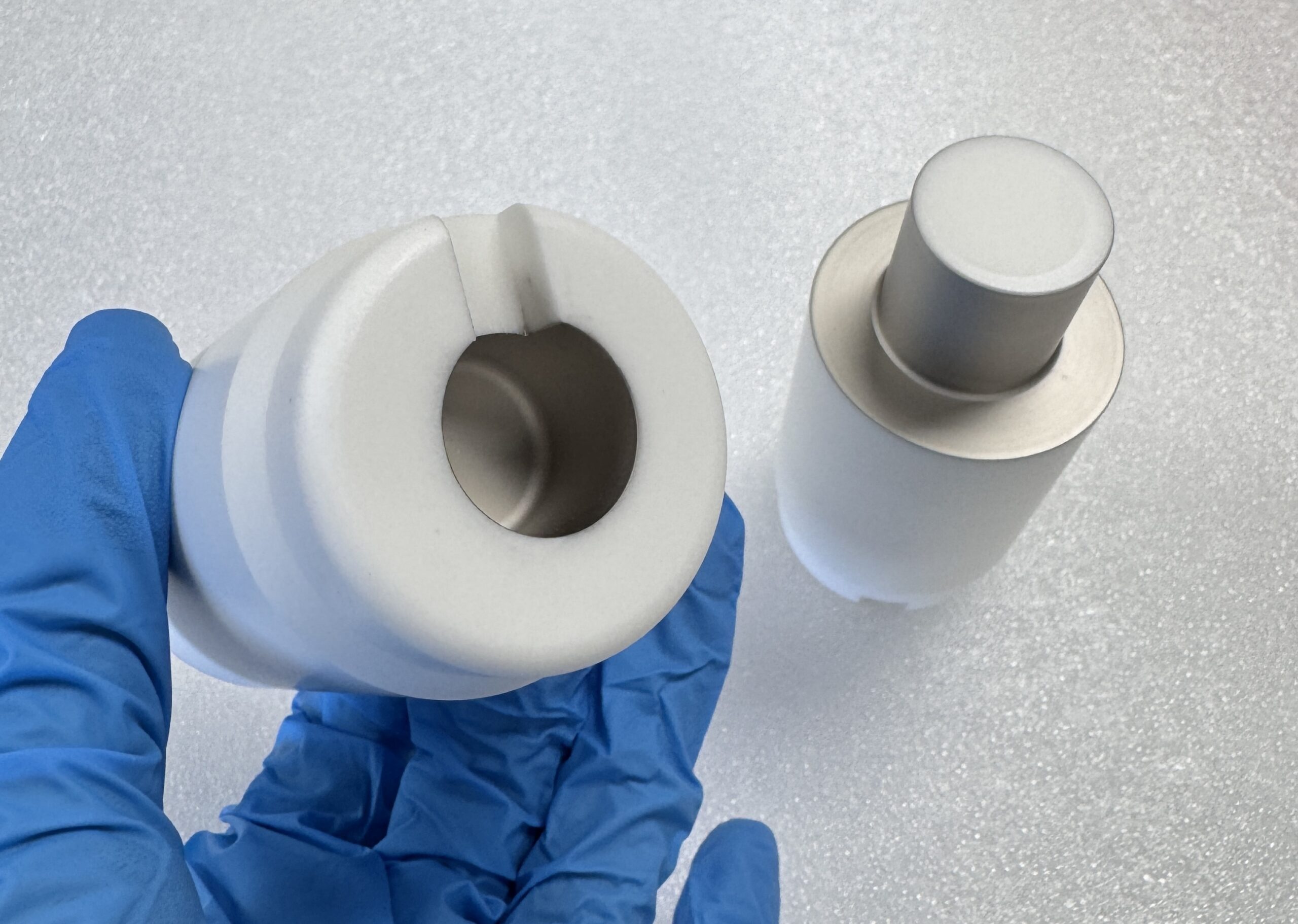
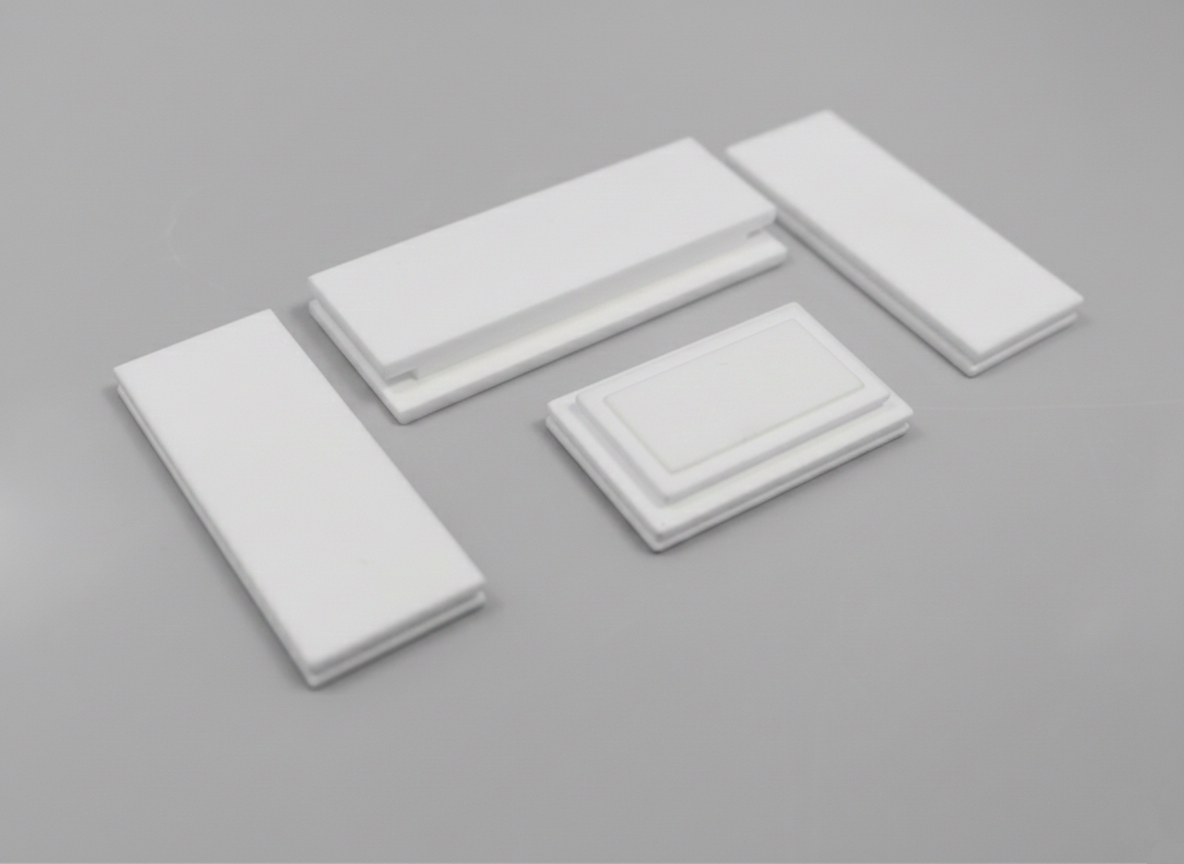
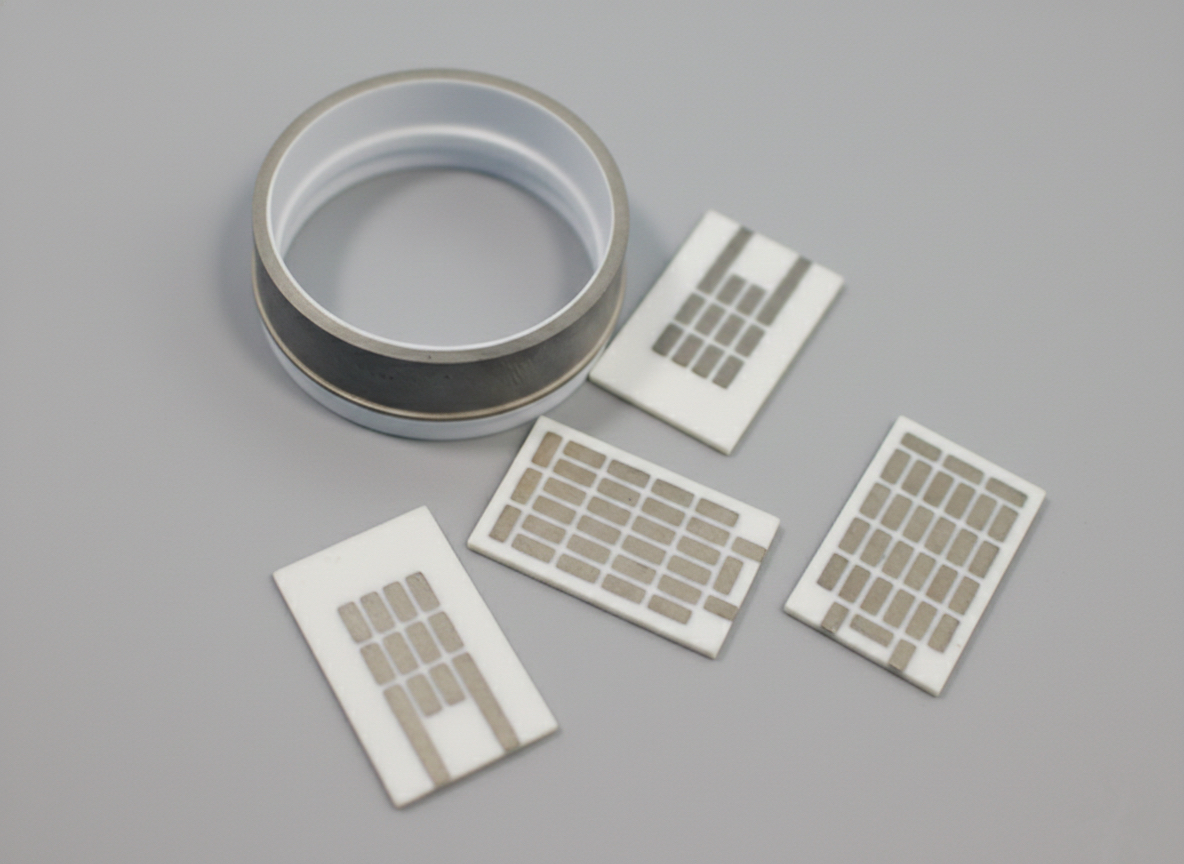
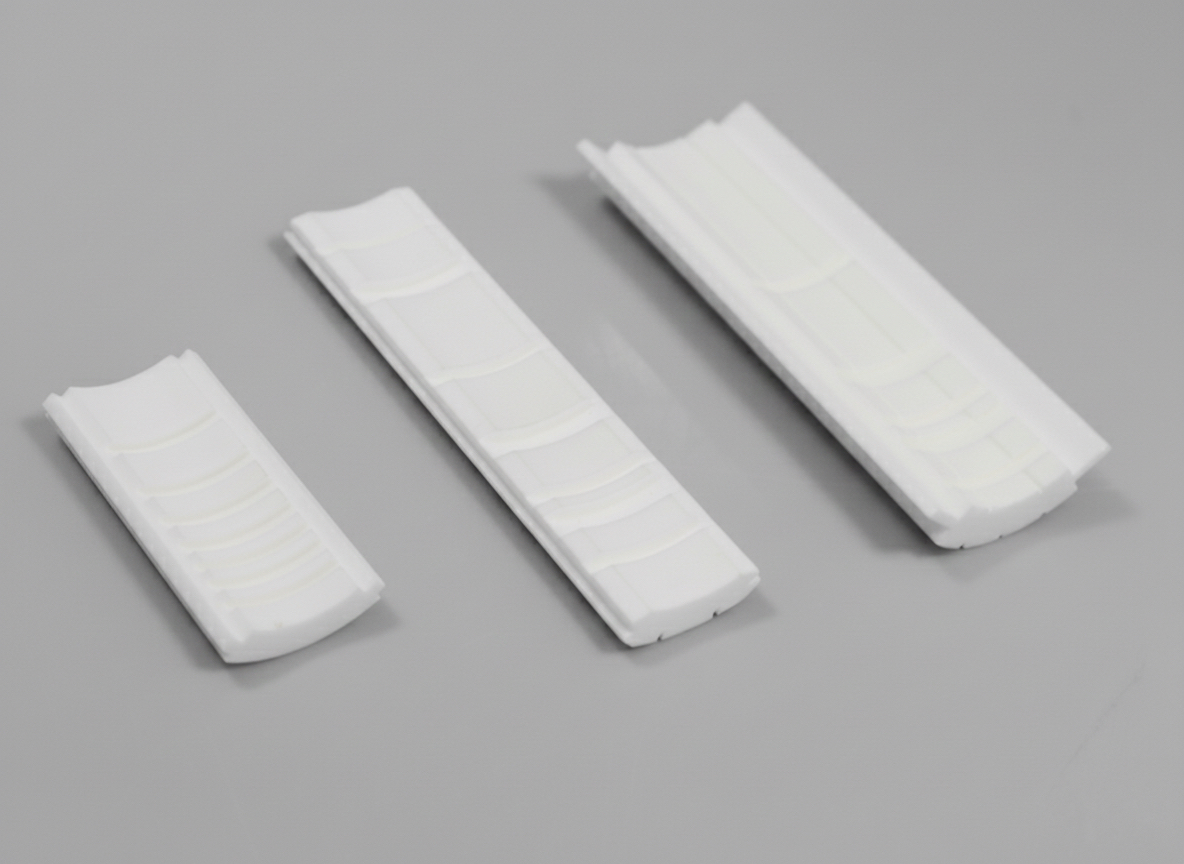
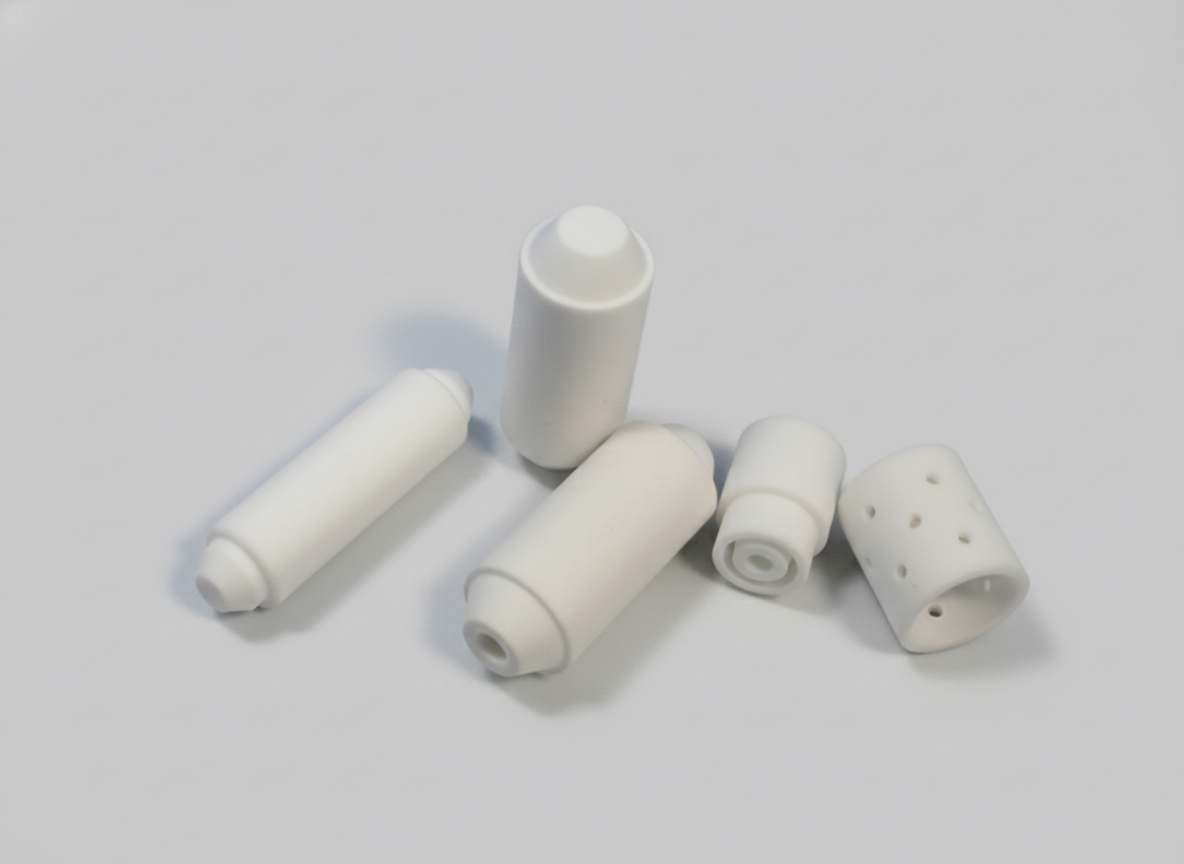
Beryllium oxide (BeO) ceramics are valued for their outstanding performance in extreme environments, offering exceptionally high thermal conductivity of 250–310 W/(m·K) at room temperature—approximately ten times that of alumina (Al₂O₃) and comparable to metallic aluminum. This rare combination of efficient heat dissipation and reliable electrical insulation makes BeO an ideal material for high-power semiconductor substrates, laser mounts, and other thermally demanding electronic applications. BeO ceramics also exhibit excellent high-temperature stability, withstanding temperatures up to 1800 °C in vacuum and up to 2000 °C in inert atmospheres.
Beyond thermal performance, BeO ceramics provide superior dielectric properties, including a low dielectric constant (6–7) and very low dielectric loss (tan δ ≈ 4 × 10⁻⁴), enabling stable operation in high-frequency and microwave components. In addition, their strong resistance to chemical attack—particularly against alkaline slags—supports their use in metallurgical crucibles for processing reactive and precious metals, while maintaining structural integrity under harsh thermal and chemical conditions.