Address
304 North Cardinal St.
Dorchester Center, MA 02124
Work Hours
Monday to Friday: 7AM - 7PM
Weekend: 10AM - 5PM

Address
304 North Cardinal St.
Dorchester Center, MA 02124
Work Hours
Monday to Friday: 7AM - 7PM
Weekend: 10AM - 5PM


PBN Components
Pyrolytic Boron Nitride (PBN) is a high-purity boron nitride ceramic manufactured by chemical vapor deposition (CVD). Unlike conventional hot-pressed boron nitride made from sintered powders, PBN features a fully dense, pore-free structure with ultra-high purity exceeding 99.999%. This unique microstructure provides excellent gas tightness and eliminates contamination risks in high-purity processes. PBN offers outstanding resistance to high temperatures, chemical corrosion, and thermal shock, while maintaining stable mechanical strength and superior electrical insulation under extreme operating conditions.
Leveraging these properties, PBN is widely used as crucibles for III–V compound semiconductor single-crystal growth (GaAs, InP, GaP) in LEC, VGF, VB, and MBE processes, OLED evaporation crucibles and support components, and high-temperature protective coatings for graphite heaters and crucibles. It is also applied in high-purity metal melting and evaporation, electronic components such as TWT supports, MOCVD insulation parts, infrared and microwave transmission windows, as well as aerospace and vacuum equipment requiring reliable insulation and structural stability in extreme environments.
High-purity crucibles for GaAs, InP, and GaP single-crystal growth in LEC, VGF, VB, and MBE processes.
Crucibles and supports offering excellent insulation, thermal stability, and zero outgassing.
PBN coatings for graphite components to reduce evaporation and contamination.
Crucibles for high-purity metal melting and evaporation, non-reactive with molten metals.
Components for TWT, MOCVD, and infrared/microwave transmission applications.
Insulation parts for high-temperature vacuum and extreme environments.
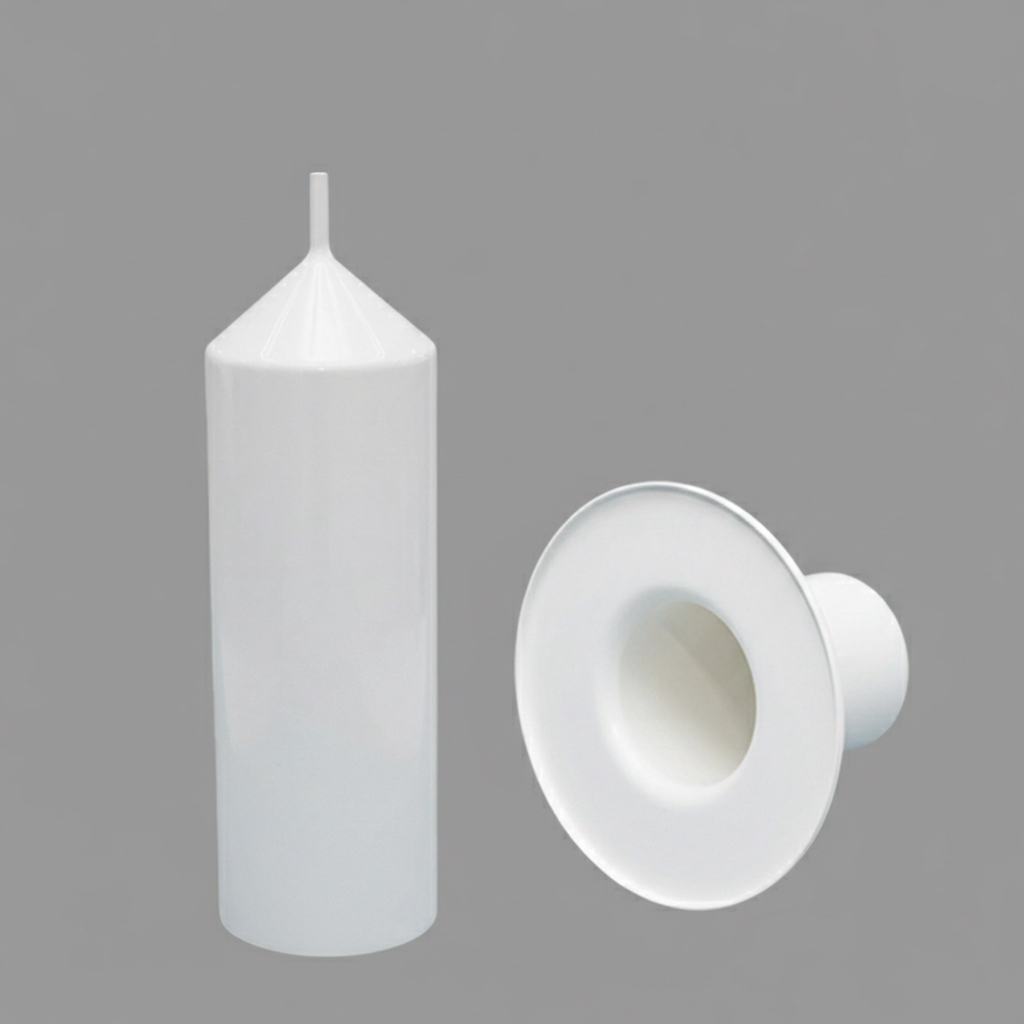
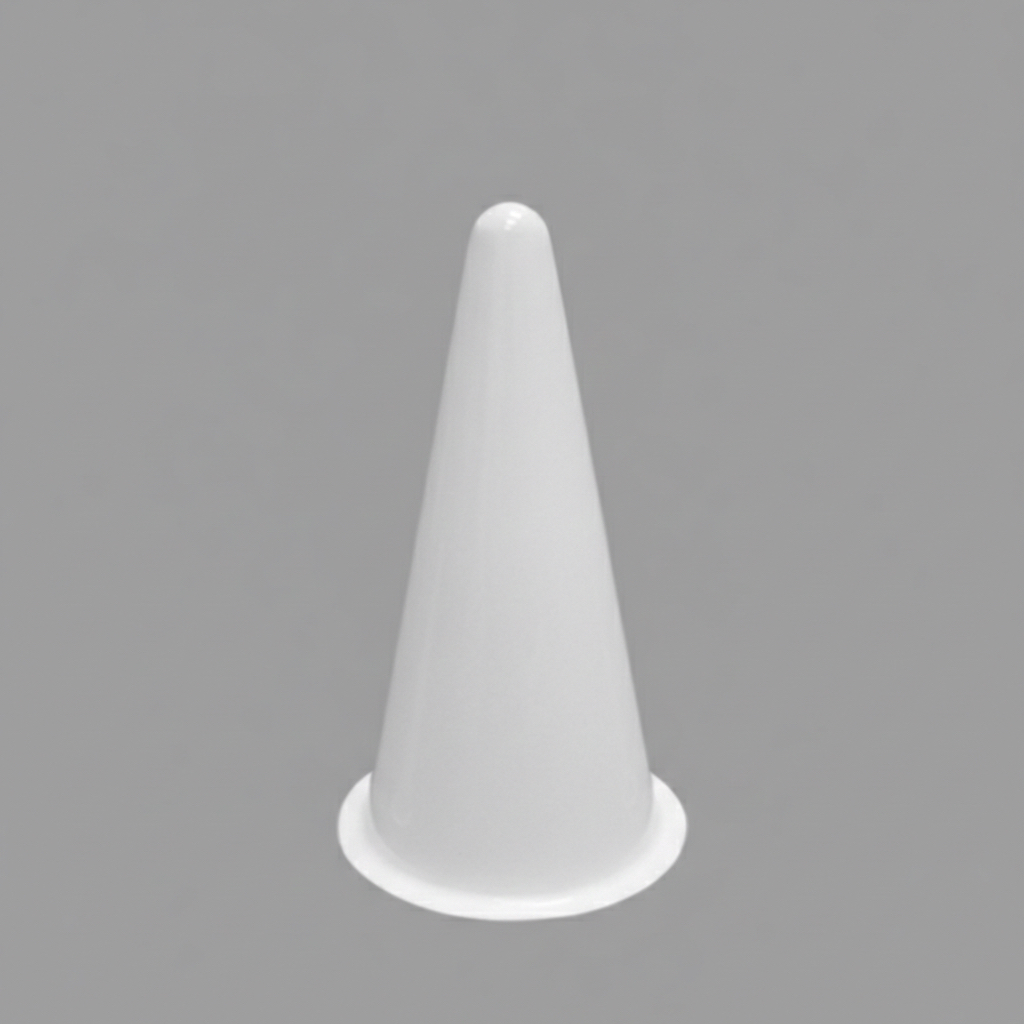
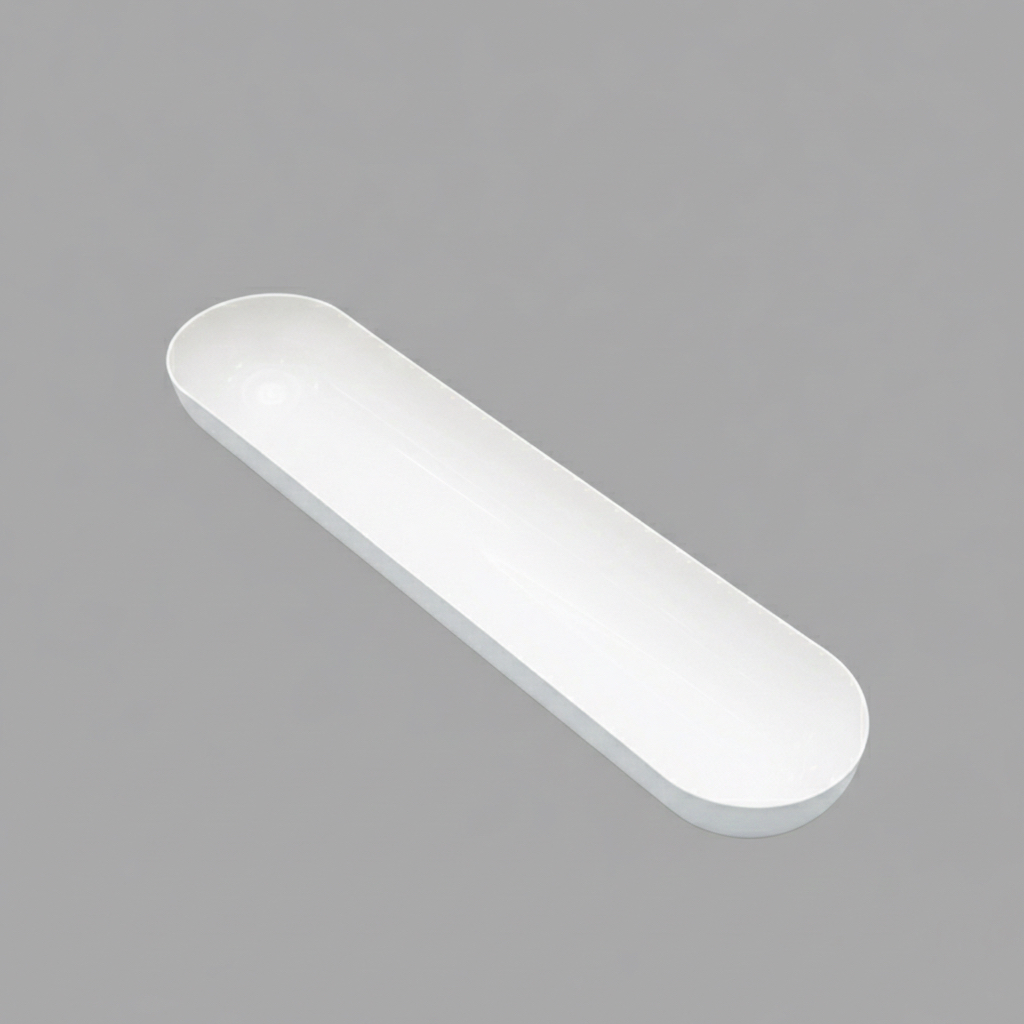
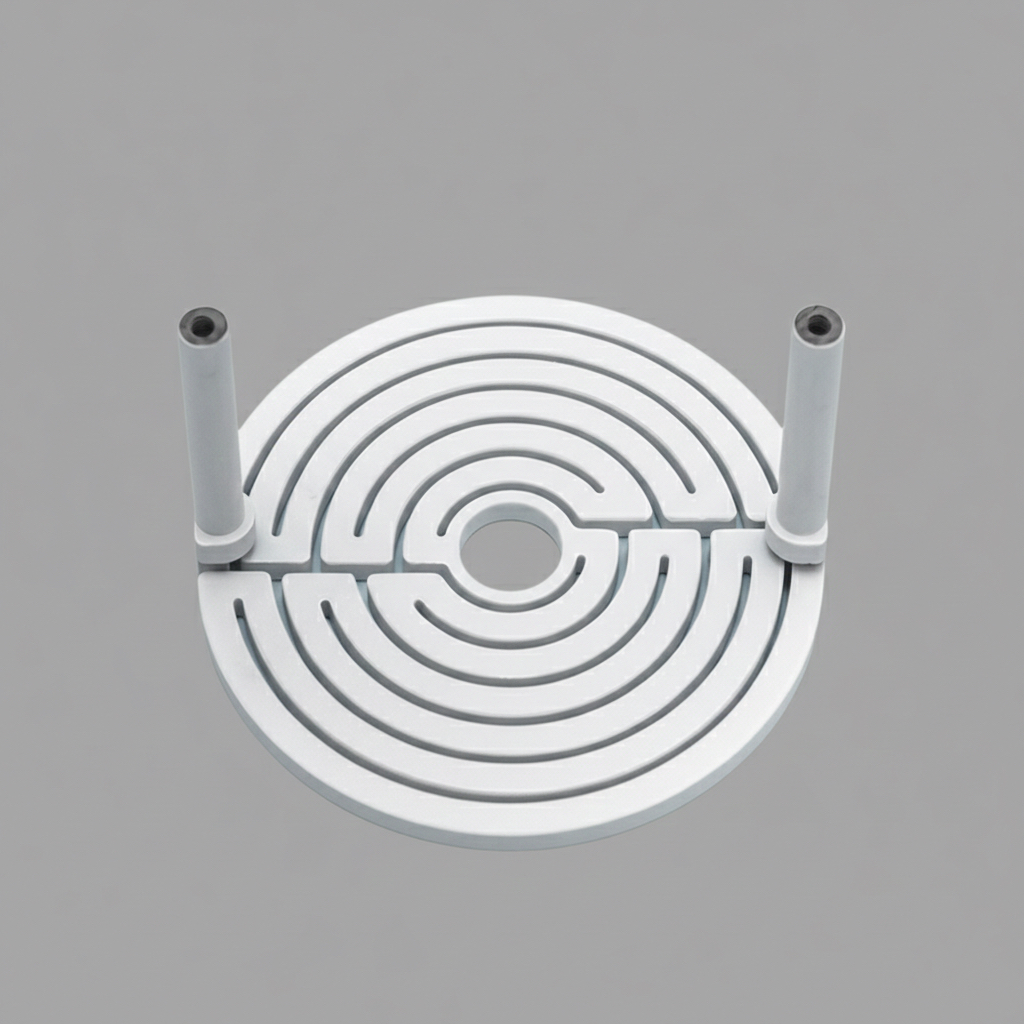
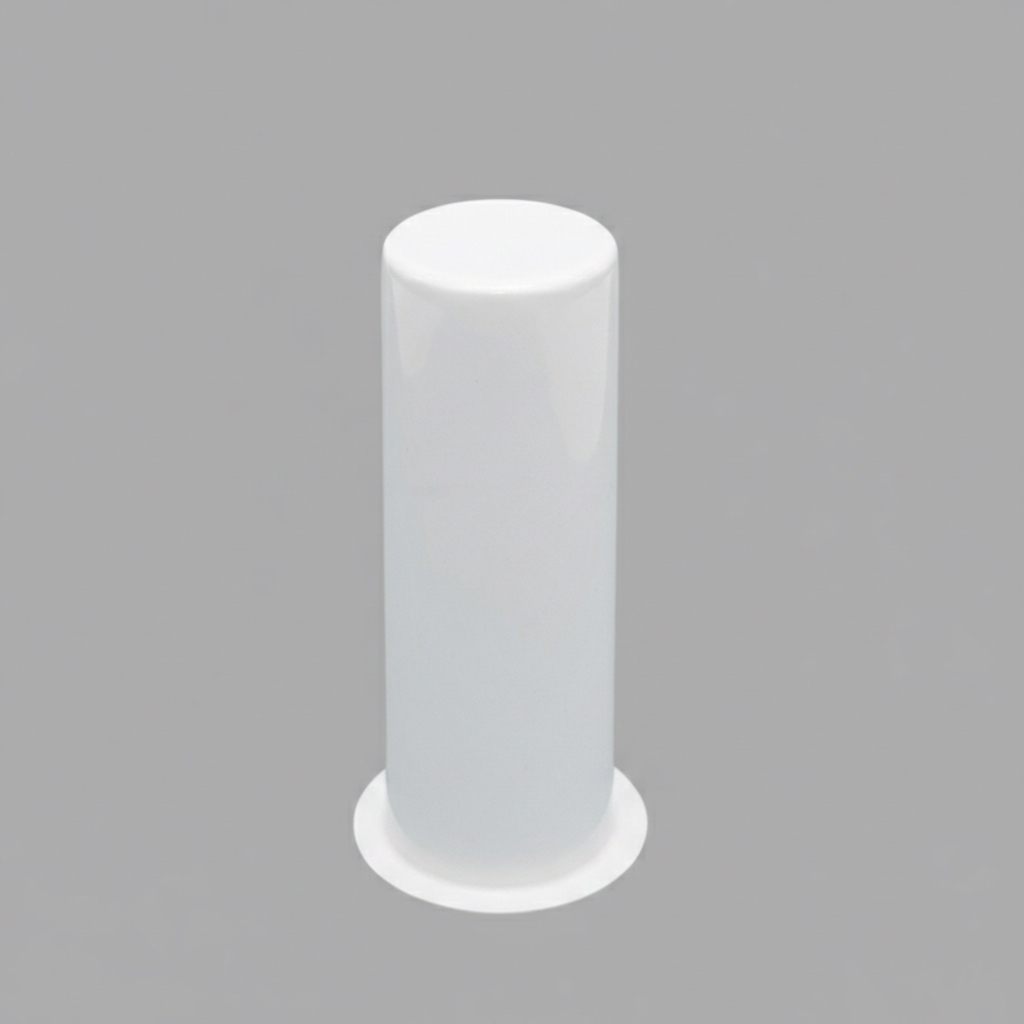
Pyrolytic Boron Nitride (PBN) is an ultra-high-purity ceramic with density and pore-free surfaces, excellent gas tightness, and helium permeability as low as 1×10⁻¹⁰ cm³/s. It resists temperatures up to 2200 °C, with strength increasing at higher temperatures, exceptional thermal shock resistance, and anisotropic thermal conductivity (60 W/m·K along a-axis, 2.6 W/m·K along c-axis at 200 °C). PBN is chemically inert to acids, alkalis, salts, organic reagents, most molten metals, and semiconductor materials. It features high resistivity (2.4×10¹⁵ Ω·cm), high dielectric strength (56 kV/mm), low dielectric constant and loss, and excellent microwave and infrared transparency. Its mechanical, thermal, and electrical properties are strongly anisotropic, with tensile strength of 102 N/mm² and flexural strength of 243 N/mm².